Best Siding for High Winds and New Jersey Weather
New Jersey homeowners know that stormy weather is not a matter of if but when. From nor'easters that batter homes for hours to summer thunderstorms that send gusts of 50 to 70 mph across Essex, Union, and Morris Counties, your home's exterior takes a beating year after year. Choosing the best siding for high wind areas is one of the most consequential decisions you can make for your property.
This guide compares vinyl siding, fiber cement siding, and wood siding through the lens of wind resistance, installation quality, and long-term value for Northern New Jersey homes.
Key Takeaways
- In New Jersey's high wind areas, fiber cement siding and high-quality vinyl siding are the most practical siding choices for combining wind resistance, weather resistance, and budget.
- Products like James Hardie fiber cement siding are tested for specific U.S. climate zones and, when properly installed, can withstand very high wind loads common in nor'easters and severe thunderstorms.
- Siding performance in high winds depends as much on installation (fasteners, sheathing, housewrap, flashing) as on the siding material itself.
- Upgrading to durable, hurricane resistant siding can improve resale value in Northern New Jersey by signaling lower future maintenance and better protection.
- Golden Home Exteriors offers local, licensed installation tailored to NJ building codes and can provide a free quote for new siding.
Why New Jersey Weather Matters When Choosing Siding
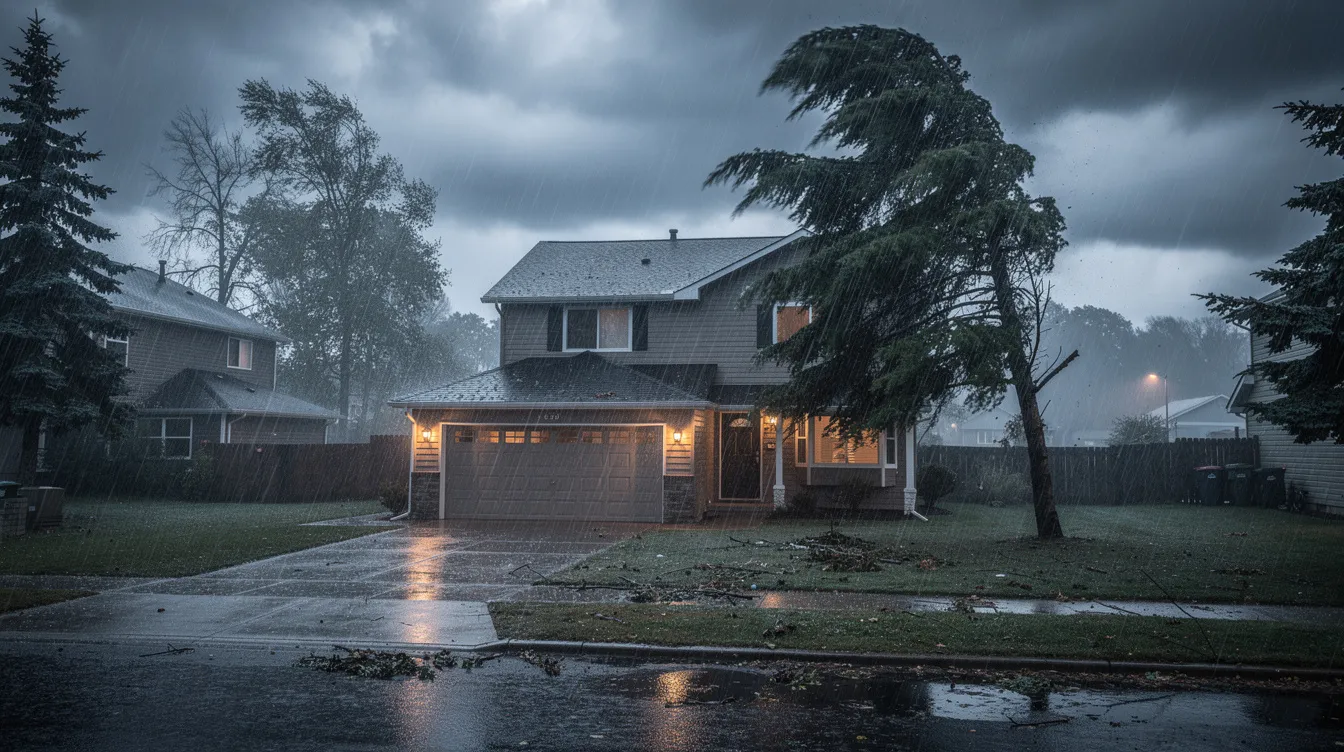
Homes in towns like Morristown, Livingston, Summit, and Short Hills face a punishing mix of weather conditions: high winds, heavy rain, snow, freeze-thaw cycles, and the occasional remnants of tropical storms pushing inland. These are not coastal Florida concerns alone. North Jersey sits squarely in the path of nor'easters that bring sustained wind and driving precipitation, plus summer severe thunderstorms that generate sudden, powerful gusts.
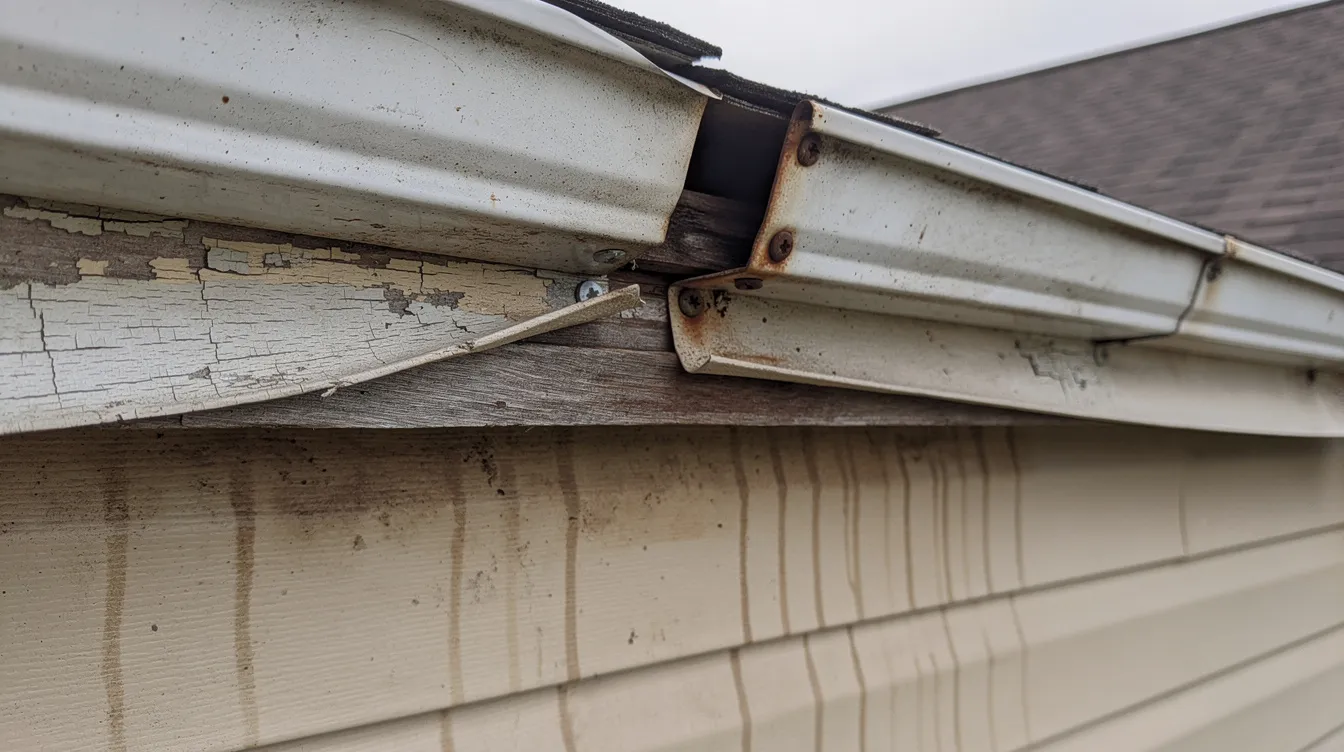
Over 10 to 20 years, this repeated stress takes a toll. Temperature swings from winter freezing to summer heat cause expansion and contraction in siding panels. Nails loosen. Gaps develop at seams, windows, and flashing points. Once wind finds those gaps, it can drive heavy rainfall behind the cladding, rotting sheathing and framing you cannot see.
The best siding for high wind areas in New Jersey must balance wind resistance, moisture control, and impact resistance against flying debris like branches and wind-blown ice. Local building codes in Essex, Union, and Morris Counties set minimum wind-load requirements, and homeowners should evaluate local building codes to ensure siding systems meet wind resistance certifications. Many homeowners choose siding materials that exceed code for extra peace of mind.
What Makes Siding Wind Resistant?
Wind resistance is not a single number on a spec sheet. In practical terms, it means a siding system can stay attached, resist wind-driven rain, and avoid cracking, warping, or blow-off during extreme weather.
Here is what determines how well your house siding holds up:
- Structural factors: Thicker, denser siding panels are more rigid, reducing flutter in gusts. The best siding materials for homes in high-wind regions combine structural stiffness and high impact resistance. A dense material like fiber cement resists uplift far better than thin vinyl.
- Attachment systems: Fastener type and spacing are crucial for high-wind performance of siding materials. Blind-nailed vinyl relies on a nailing hem, while fiber cement is typically screwed into solid sheathing. Use screws or specialized fasteners rather than standard nails whenever possible in high-wind zones.
- Wall assembly: The sheathing (OSB or plywood), housewrap, and flashing behind the siding matter enormously. Siding materials must endure extreme wind uplift and impact from flying debris, but a poorly sealed wall assembly lets wind-driven water cause structural damage regardless of the cladding.
- Rated wind speeds: Many premium products are tested for 110+ mph winds. Always ask for documented wind ratings before committing.
- NJ-specific exposure: Homes on ridge lines, open lots, or near the Passaic or Hudson corridors face higher wind loading. Choosing higher wind-rated siding and tighter fastener schedules is wise for these locations.
Vinyl Siding: Advantages and Limitations
Vinyl siding is the most common siding material in New Jersey, and for good reason. It is affordable and low maintenance, available in dozens of colors and profiles, and performs well in moderate climates. But not all siding materials handle high winds equally, and vinyl's performance depends heavily on product grade and installation.
- Premium vinyl siding is engineered with reinforced nailing hems and thicker panels. High-wind-rated vinyl siding features extra-thick profiles and can carry wind load certifications up to 180 to 240 mph. Some products like Mastic vinyl siding can handle winds up to 240 mph.
- Vinyl's flexibility lets it absorb some impacts without shattering, and it resists moisture naturally. Its lighter weight puts less stress on fasteners and sheathing.
- Lower-grade vinyl can crack in extreme cold, rattle or flap in strong winds, and is more prone to panel blow-off if fastened incorrectly. Vinyl siding should withstand winds of at least 110 mph to be considered storm-ready.
- Insulated vinyl siding adds a foam backer that stiffens the panel and improves energy efficiency, but does not fully solve the brittleness issue during long, cold NJ winters.
- Verify wind ratings, panel thickness, and warranty terms before purchasing. Golden Home Exteriors can recommend specific vinyl siding lines that perform better in high wind areas.
When Vinyl Siding Makes Sense in NJ High Wind Areas
- Vinyl is a smart choice for moderate high wind exposure: suburban neighborhoods with some shielding, budget-conscious projects, and homes currently clad in older, failing vinyl.
- For exposed locations, prioritize premium or storm-rated vinyl products. Wind-rated vinyl siding can perform well if properly installed and designed for high winds.
- Correct use of starter strips, J-channels, and properly spaced fasteners significantly improves performance. Vinyl siding can withstand winds up to 240 mph when premium products are installed to manufacturer specifications.
- Schedule periodic inspections after major storms to re-secure any loose panels before they detach in the next wind event.
Fiber Cement and James Hardie Siding
Fiber cement siding combines Portland cement, sand, and cellulose fibers into a rigid, heavy panel that has earned a reputation as weather resistant siding in storm-prone regions. Fiber cement siding is widely considered the gold standard for hurricane zones due to its exceptional resistance to wind, moisture, and impact.
At baseline, fiber cement siding can resist wind speeds up to 75 mph. However, fiber cement siding can withstand wind speeds up to 130 to 150 mph when installed correctly over solid sheathing with corrosion-resistant fasteners. It resists moisture and wind uplift effectively, and it resists wind and water penetration effectively even during sustained nor'easters. Fiber cement siding also resists wind uplift and flying debris, making it a top pick for harsh weather conditions.
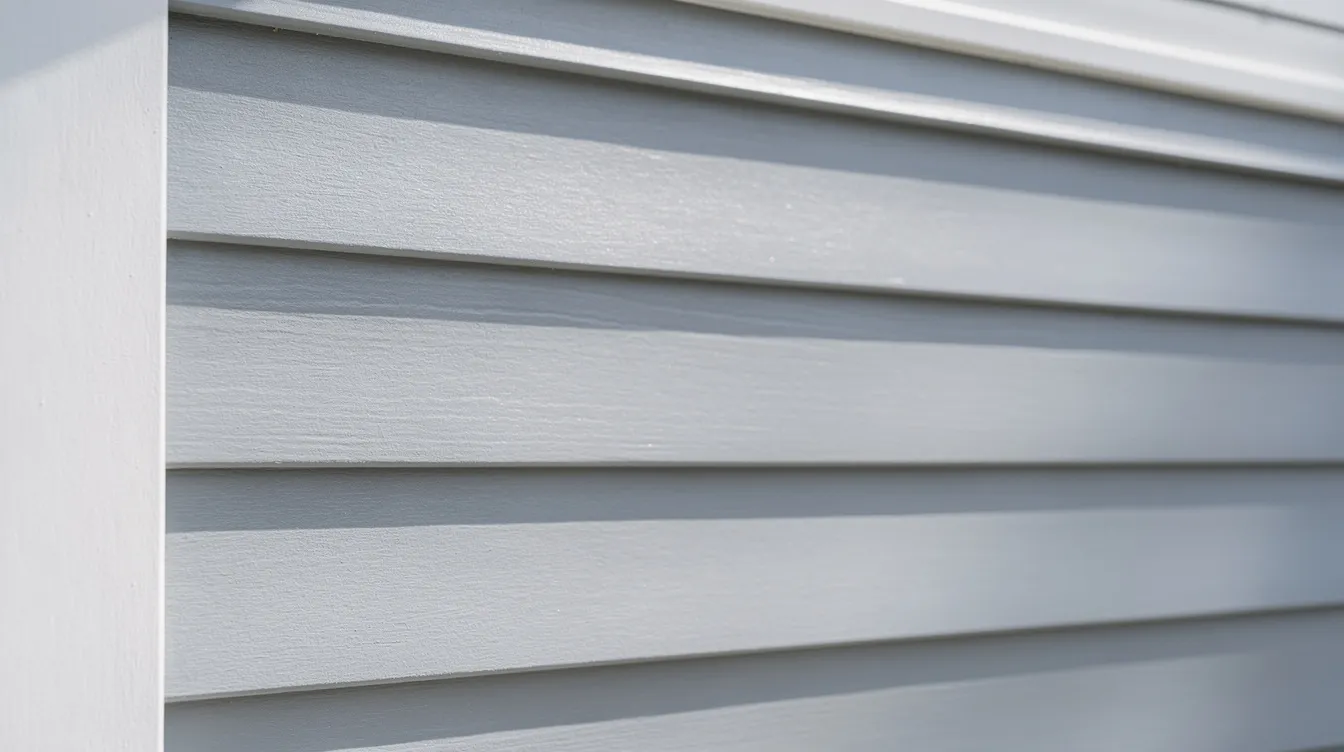
- Fiber cement is heavier and more rigid than vinyl, which directly helps it resist wind uplift, warping, and cracking under pressure in high wind areas.
- James Hardie is the leading fiber cement brand in North America. Their HardieZone system (HZ5 for colder, wetter climates) is designed to handle freeze-thaw cycles, wind-driven rain, and repeated storm exposure common from Newark to Morristown.
- When properly installed with corrosion-resistant fasteners, fiber cement siding can stand up to hurricane force winds associated with coastal storms and inland gusts.
- Additional benefits matter to NJ homeowners: fire resistance, insect and rot resistance, and factory finishes that maintain curb appeal. Fiber cement siding lasts up to 50 years with minimal upkeep.
James Hardie Siding for High Winds in New Jersey
- James Hardie boards and panels are tested for impact resistance, wind pressure, and moisture. Their published installation guides include wind-load fastening schedules tailored to specific exposures.
- Compared to generic fiber cement, James Hardie offers thicker profiles, factory finishes through their ColorPlus system, and longer warranties when installed by qualified contractors.
- Many Essex and Morris County homeowners choose HardiePlank lap siding or HardiePanel with trim for a wood-like look that is far more stable in wind than real natural wood. This siding upgrade is one of the most effective ways to enhance both protection and curb appeal.
- Fiber cement must be installed by trained crews due to its weight and dust when cut. Golden Home Exteriors is equipped to handle proper James Hardie installation for high wind performance.
Wood and Engineered Wood Siding
Natural wood siding and engineered wood siding remain popular in older and higher-end neighborhoods in places like Summit and Short Hills. The classic appearance of cedar, pine, or redwood is hard to match with other materials.
- Natural wood can perform reasonably well in high winds if panels or shingles are thick, properly fastened, and meticulously maintained, but it is vulnerable to moisture damage and weakening over time.
- Repeated wetting, drying, and freeze-thaw cycles in NJ lead to swelling, cupping, and cracking, which opens gaps that wind can exploit and lift boards. Comparing cedar shingles vs vinyl siding shows these trade-offs clearly.
- Engineered wood siding offers significantly more flexibility and impact resistance than raw timber, using resins and treatments for improved moisture and weather resistance. Engineered wood siding performs well in mixed weather conditions.
- Engineered wood still depends heavily on edge sealing, caulking, and regular painting or staining for long-term value.
- Homeowners prioritizing long-term wind and weather resistance usually choose fiber cement or high-grade vinyl over wood unless they are committed to regular upkeep.
Where Wood-Based Siding Still Works in High Wind Areas
- Wood or engineered wood can be acceptable on sheltered sides of a house, in tree-protected neighborhoods, or on historic homes where preservation rules influence siding choices.
- Use thicker profiles (1 inch or more), stainless or hot-dipped galvanized fasteners, and professional installation to reduce the risk of boards loosening in strong winds.
- Golden Home Exteriors can inspect existing wood siding, identify wind-related weak points, and either reinforce or quote for a new siding material better suited to NJ storms.
Material Comparison: Durability, Cost, and Maintenance
The best siding for high wind areas is the one that balances structural performance, budget, maintenance, and desired appearance over 20 to 30 years. Here is how common siding materials compare through the lens of wind performance:
| Factor | Vinyl Siding | Fiber Cement | Wood / Engineered Wood |
|---|---|---|---|
| Wind Rating (installed correctly) | 110–240 mph | 75–150 mph | Moderate (varies) |
| Impact Resistance | Moderate | High | Low–Moderate |
| Cost per Sq Ft | $3–$8 | $6–$13 | Varies widely |
| Maintenance | Low | Low–Moderate | High |
| Lifespan | 20–30 years | Up to 50 years | 15–30 years (with upkeep) |
Steel siding is the most wind-resistant siding option available and metal siding is highly robust against moisture, pests, and fire. However, metal siding may rust and dent over time in harsh weather, requiring a rust-free coating and careful maintenance. Steel siding has a Class 4 impact rating for durability, making it worth considering for maximum wind protection. Aluminum siding falls into a similar category but is lighter and less impact-resistant. Stone veneer and natural stone offer durability but add significant weight and installation costs. Brick siding offers durability but varies with installation quality, and brick siding can be damaged if installation techniques are poor.
High-quality siding reduces long-term maintenance costs. Vinyl siding replacement can lead to higher long-term costs due to more frequent repairs and shorter lifespans, while fiber cement delivers better long-term value. Think in terms of lifetime storm cost, including expensive repairs after wind events, repainting, and early replacement, instead of only the initial siding replacement cost.
How Siding Choice Affects Resale Value in NJ
- Buyers in North Jersey increasingly look for low maintenance, weather-resistant exteriors, making fiber cement and higher-end vinyl siding attractive from a resale value standpoint.
- New siding installed within the last 5 to 10 years, with transferable warranties and documented materials like James Hardie, can help listings stand out in competitive markets like Livingston and Morristown.
- Visibly warped vinyl or peeling wood siding can raise concerns about hidden water intrusion after repeated storms, which may reduce offers or trigger repair credits at closing.
- Homeowners planning to sell within a decade should consider traditional siding materials that both perform in high winds and photograph well for online listings.
Why Proper Siding Installation Matters
Even the strongest hurricane resistant siding will fail in high winds if it is not installed to manufacturer and building-code standards. Even the strongest siding material can fail if not installed according to specifications. Proper installation of siding is critical for high-wind environments.
- Common mistakes: Over- or under-driven nails in vinyl, insufficient fastener length in fiber cement, skipping starter strips, and inadequate corner trim reinforcement all create failure points in stormy weather.
- Moisture management: A properly installed weather-resistant barrier is essential for high-wind siding. Correctly lapped housewrap and flashing around windows and doors prevent wind-driven rain from penetrating behind the resistant siding. Continuous sheathing improves the performance of siding in high-wind areas.
- NJ-specific risk: Installation quality, fastening systems, and proper flashing are important for siding performance, especially in NJ's mix of wind and heavy rainfall. Trapped water can rot sheathing and loosen fasteners from the inside out.
- Local expertise: Licensed, insured contractors who know Morris, Essex, and Union County codes, and who hold manufacturer certifications for brands like James Hardie, protect both warranties and your home protected from costly damage.
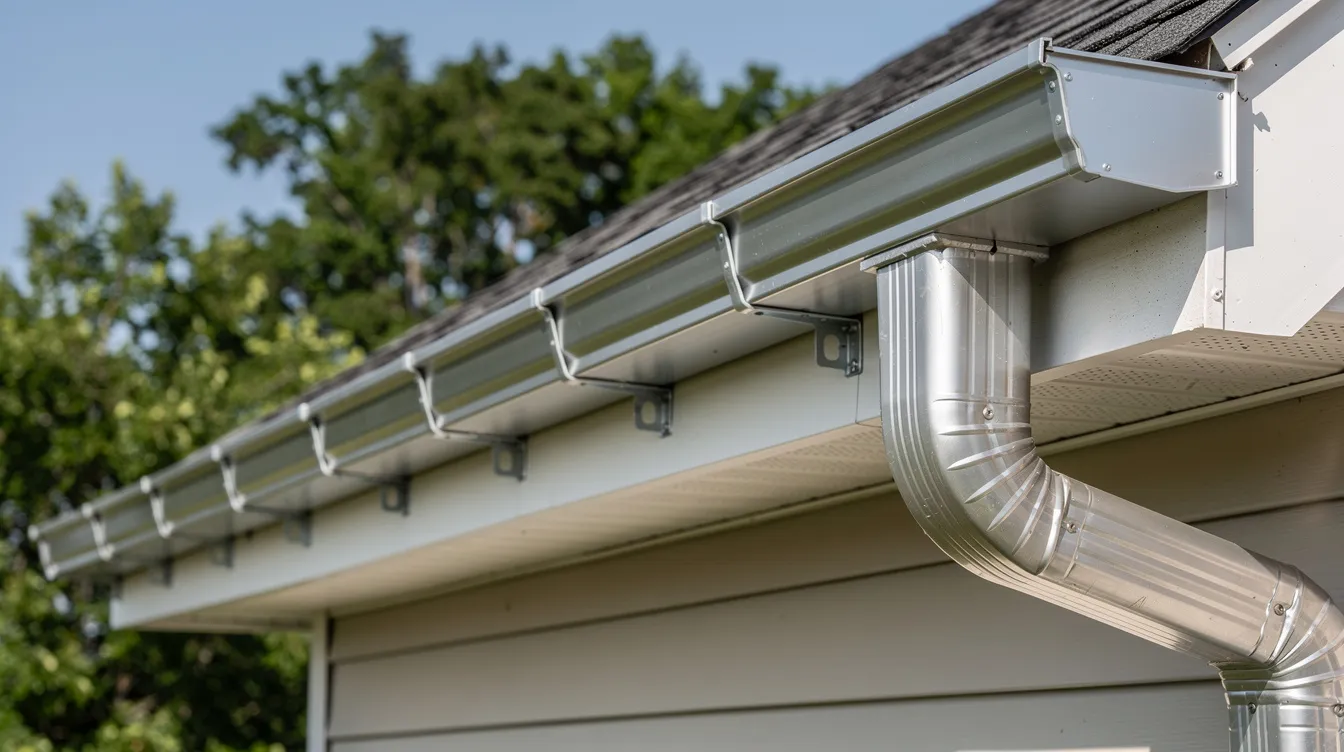
- Ask installers about wind-load fastening patterns, how they handle gable peaks (often wind-exposed), and how they integrate siding with roofing and gutter systems.
Maintenance Habits That Preserve Wind Performance
- Inspect siding for loose panels before storm season. Check for cracked boards, pulled nails, or gaps in caulk that could worsen in the next high wind event. The siding system requires minimal upkeep if you catch problems early.
- Trim back trees to prevent flying debris during storms, secure yard furniture, and keep gutters clear so water does not pool against the siding material during heavy rain.
- Gentle cleaning removes dirt, mildew, and debris that trap moisture and accelerate degradation around fasteners.
- Golden Home Exteriors can inspect existing siding, identify early wind damage, and recommend either targeted repairs or full replacement.
Choosing the Right Siding for Your NJ Home
Selecting the right siding should factor in wind exposure, home age, architecture, budget, and how long you plan to stay. Your local climate demands more than a one-size-fits-all answer.
- Evaluate your lot's exposure: open ridge vs. sheltered cul-de-sac, proximity to open fields or water, and which sides of the house consistently take the brunt of the wind.
- Decision guide: Fiber cement or James Hardie siding for maximum wind and weather resistance. Premium vinyl siding for balanced cost and performance. Wood or engineered wood only where aesthetics trump maintenance and exposure is moderate climates.
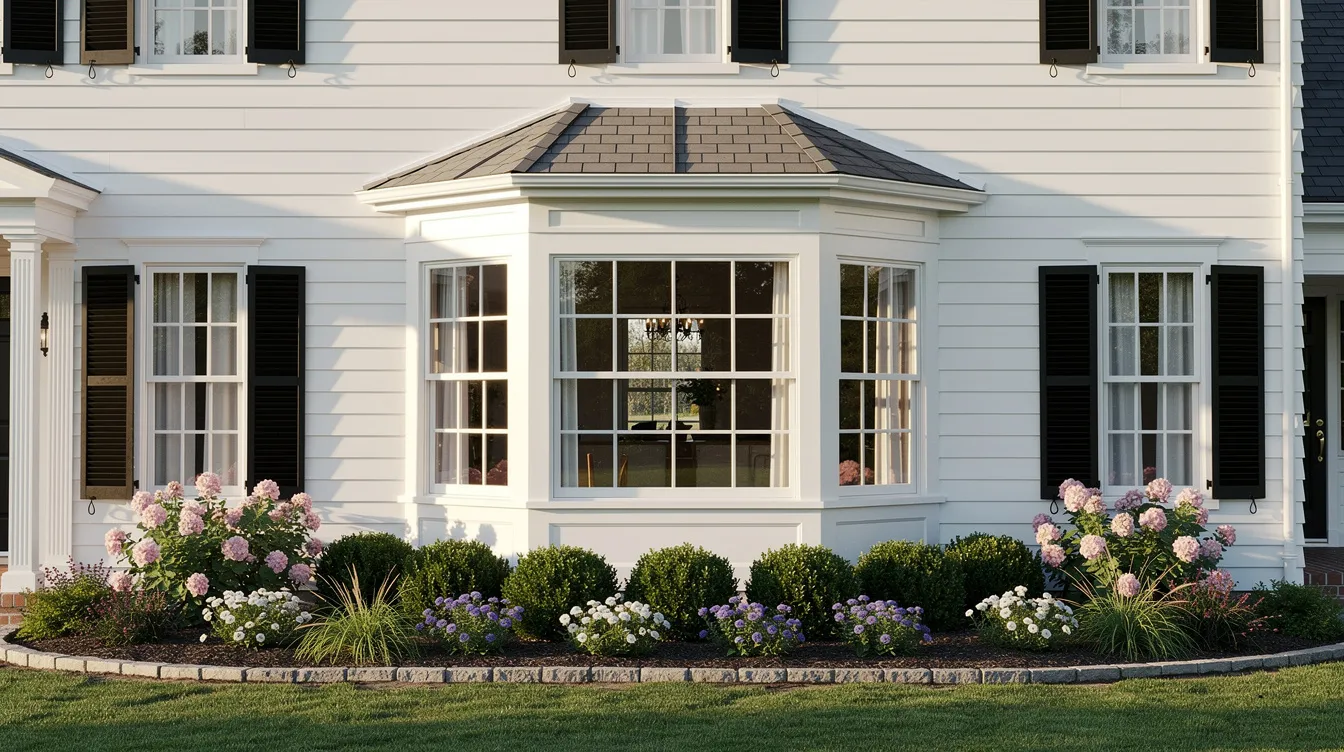
- Match the siding material to your home's style (Colonial, Cape, split-level) using lap siding, shingles, or panels that maintain curb appeal while meeting wind-resistance needs.
- Get at least one professional exterior assessment to check sheathing condition, current siding attachment strength, and any existing water or wind damage before choosing new siding.
Questions to Ask Before You Commit to New Siding
- "What wind speed is this siding system rated for?" "How will you fasten it for my specific exposure?" "What does the warranty cover after a wind event?"
- Ask whether the contractor will remove old siding, repair damaged sheathing, and install proper housewrap and flashing as part of the project.
- Confirm licensing, insurance, and local references in towns like Whippany, Summit, or Livingston.
- Request a detailed, itemized quote so you can compare options based on both installation costs and expected performance in high wind areas.
Frequently Asked Questions About Best Siding for High Winds and New Jersey Weather
Is fiber cement really the best siding for high wind areas in New Jersey?
For many North and Central NJ homes, fiber cement, especially James Hardie products, offers the strongest combination of wind resistance, impact resistance, and moisture control when properly installed. While premium vinyl can perform well and steel siding is the most wind-resistant siding available, fiber cement's rigidity, better resistance to wind uplift, and compatibility with NJ's freeze-thaw cycles make it the most popular choice among other materials for wind resistant siding.
How do I know if my current siding is failing because of wind?
Look for loose panels that rattle in gusts, visible gaps at seams or butt joints, recurring leaks on windy rain days, panels that have blown off, and warping or cracking on the windward side. If any of these signs are present, schedule a professional inspection since underlying sheathing or fasteners may also be compromised, leading to moisture damage and structural damage.
Do I need hurricane resistant siding if I do not live on the Jersey Shore?
Even inland towns in Essex, Union, and Morris Counties routinely see strong wind gusts during nor'easters and severe thunderstorms. While truly hurricane-rated siding systems are most critical in hurricane zones and coastal areas, inland homes still benefit significantly from siding materials and installation practices designed for high wind areas. Harsh weather does not stop at the coast.
Can better siding really improve my home's resale value in North Jersey?
Updated, low-maintenance siding with strong weather resistance often boosts curb appeal and buyer confidence, which can raise offers or reduce time on market. Buyers appreciate documented upgrades such as James Hardie fiber cement or high-end vinyl, especially in neighborhoods where severe weather is a known concern.
How long does a siding replacement project typically take in New Jersey?
Most single-family homes take about one to two weeks of on-site work, depending on home size, sheathing repairs, and weather delays. Build in extra time during fall and spring, when rainy and windy days may slow exterior work across the Garden State.
Storm-Ready Siding With Golden Home Exteriors
Your home deserves siding that does more than look good. It needs to keep your home protected through every nor'easter, thunderstorm, and freeze-thaw cycle that Northern New Jersey delivers. Golden Home Exteriors, based in Florham Park, specializes in roofing, siding, windows, and gutters designed for New Jersey's high wind and harsh weather conditions.
- Fully licensed and insured, with hands-on experience installing fiber cement (including James Hardie) and premium vinyl siding on homes across Union, Essex, and Morris Counties.
- Our team focuses on the correct installation details that directly affect wind resistance: fastening patterns, flashing, housewrap, and integration with roofing and gutter systems.
- Schedule a free, no-obligation siding assessment to evaluate your current wind performance and discuss options for new siding that can better handle high winds and New Jersey weather.
- Investing in wind resistant siding now can protect your home, reduce storm-related repairs, and improve long-term comfort and resale value in the NJ market. Contact us today or call for your free quote.