Home Renovation Siding for Houses: Materials, Costs, and How Golden Home Improvement Can Help
Introduction
Are you a homeowner considering siding replacement or upgrades? This comprehensive guide is designed for anyone looking to protect, beautify, and add value to their home through the right siding choices, since the right exterior product can improve durability and boost curb appeal. Understanding your siding options is crucial—not only does siding define your home’s curb appeal and style, but it also plays a vital role in safeguarding your property from weather, pests, and other external threats. In this article, we’ll break down the most popular siding materials, their costs, pros and cons, and how Golden Home Improvement can help you choose among different siding materials while planning for long term value based on your climate, budget, and long-term goals.
Key Takeaways
- Siding protects your home from weather, pests, and impacts while defining its style and curb appeal—it’s both armor and architecture.
- In 2026, full siding replacement on an average U.S. home typically ranges from about $8,000 to $25,000, with many projects clustering around $12,000–$18,000 depending on material and labor.
- Common siding materials include vinyl, fiber cement, engineered wood, metal, brick veneer, and stucco, each with specific pros, cons, and lifespans ranging from 10 to 50+ years.
- Proper installation, flashing, and moisture management are as critical as the siding material itself for longevity and warranty protection.
- Golden Home Improvement offers turnkey siding services—inspection, design, material selection, installation, and repairs—to help homeowners choose and maintain the right system for their climate and budget.
What Is Siding on a House and Why It Matters
Siding is a protective material affixed to the exterior walls of a home, serving as the first line of defense against weather damage. Siding is intended to provide an initial line of defense against most exterior elements that might threaten a structure. House siding is the protective material attached to your home’s exterior walls, functioning as the outermost “skin” that shields the structural framing, sheathing, and insulation beneath. This exterior siding does the heavy lifting against rain, wind-driven moisture, ultraviolet radiation, temperature swings, insects, and physical impacts from debris.
When combined with housewrap, flashings at vulnerable joints like windows and rooflines, and properly applied caulking, siding channels water away from the building envelope. This layered defense prevents the infiltration that leads to wood rot, mold growth, structural decay, and foundation erosion over time.
Beyond protection, siding defines a home’s architectural character. The profile you choose—whether lap siding, board and batten, shakes, or panels—sets the visual tone from modern minimalist to farmhouse rustic. Colors and textures enhance curb appeal and signal maintenance quality to potential buyers.
Modern siding systems must balance four priorities: durability, maintenance needs, and visual appeal, while siding upgrades improve insulation and improves energy efficiency, especially in regions with cold winters and rising energy costs. Golden Home Improvement works as a local contractor specializing in roofing, siding, windows, and gutter services—siding, trim, soffits, and gutters—with a focus on long-lasting, code-compliant installations that address all four.
Average Cost of Siding on Houses in 2026
Siding costs vary significantly by region, house size, and architectural complexity. For a typical 2,000 to 2,500 square foot single-family home, full replacement in 2026 generally runs between $8,000 and $25,000, with most projects landing in the $12,000 to $18,000 range when factoring in labor, materials, and basic add-ons.
Here’s a comparison table of what you can expect to pay per square foot for major siding materials, installed:
| Material | Cost per Square Foot (Installed) | Notes/Features |
|---|---|---|
| Vinyl siding | $3–$10 | Most budget-friendly, quick installation |
| Fiber cement siding | Fiber cement siding $6–$14 | Mid-range, require |
| Engineered wood siding | $5–$12 | Pre-finished options reduce painting |
| Metal siding (aluminum and steel) | $6–$20 | Durable, fire-resistant, various finishes |
| Brick veneer | $12–$25 | Premium aesthetic, structural considerations |
| Stucco | $8–$18 | Labor-intensive application |
| Common add-on costs include old siding removal at $0.75–$2.25 per square foot, sheathing or framing repairs if rot is discovered, upgraded housewrap or foam backing for better insulation, and enhanced trim or moisture flashings. | ||
| When evaluating options, factor in total cost of ownership. On aging exteriors, replacing worn cladding often makes more financial sense than repeated patching. Traditional wood siding that needs repainting every 3–5 years can add $5,000–$10,000 in maintenance over 30 years. Meanwhile, fiber cement or high quality materials with 40+ year lifespans often deliver better ROI despite higher upfront costs. |
Golden Home Improvement provides written, line-item estimates and can show homeowners cost scenarios over 10–30 years, including re siding cases alongside full replacement comparisons and combining installation and maintenance projections to support informed decisions, especially when comparing premium siding solutions and trim options suited to your home.
Major Types of Siding for Houses
Selecting the best siding for your home requires understanding the strengths and limitations of each material category. The sections below offer an at-a-glance overview of the most common options, covering pros, cons, costs, and ideal applications.
When comparing different siding materials, the main categories include:
- Vinyl siding
- Fiber cement siding
- Engineered wood siding and traditional wood siding
- Metal siding (aluminum siding and steel siding)
- Brick veneer and stone veneer
- Stucco and modern claddings (PVC and composite siding)
Climate, fire risk, HOA rules, and local building codes often narrow the best choices for a particular property. Golden Home Improvement typically recommends 2–3 “best fit” materials during an on-site consultation based on the home’s exposure to sun, wind, and vegetation, drawing on its comprehensive exterior home services and exterior home remodeling services in New Jersey across roofing, siding, windows, and gutters, and that consultation also helps homeowners compare siding products suited to local weather and design goals.
Vinyl Siding on Houses
Vinyl siding, made from polyvinyl chloride, has dominated the U.S. market since the late 20th century. It remains a popular choice because it is affordable, low maintenance, and widely available in various styles—including lap siding, Dutch lap, board and batten siding, and shakes—making it the default choice for many homeowners.
Key advantages:
- Low initial cost ($3–$10 per square foot installed), with insulated vinyl siding available as an upgrade for better energy performance
- No routine painting required; fade-resistant pigments last 15–25 years
- Lightweight panels enable quick installation
- Immune to rot and insect damage
- Broad color palette and wood-grain textures available
Key drawbacks:
- Can crack in cold temperatures below -10°F
- May warp near extreme heat sources like chimneys, and in extreme heat it can become soft and malleable
- Risk of “oil-canning” (wavy distortion) in high winds if nails are overtightened
- Environmental concerns around PVC production and non-recyclable disposal
Traditional vinyl siding typically lasts 20–30 years for mid-grade products, with premium insulated versions extending beyond that. Unlike wood, vinyl requires no repainting—just periodic washing. Cleaning is one of the more diy-friendly maintenance tasks for homeowners.
Ideal use cases include budget-conscious renovations, suburban homes prioritizing low maintenance, and projects where homeowners value color variety and quick installation. Golden Home Improvement offers insulated vinyl options with foam backing to improve energy performance, and a successful vinyl siding project still depends on proper panel hanging and drainage details such as keeping weep holes clear to preserve warranties.
Fiber Cement Siding on Houses
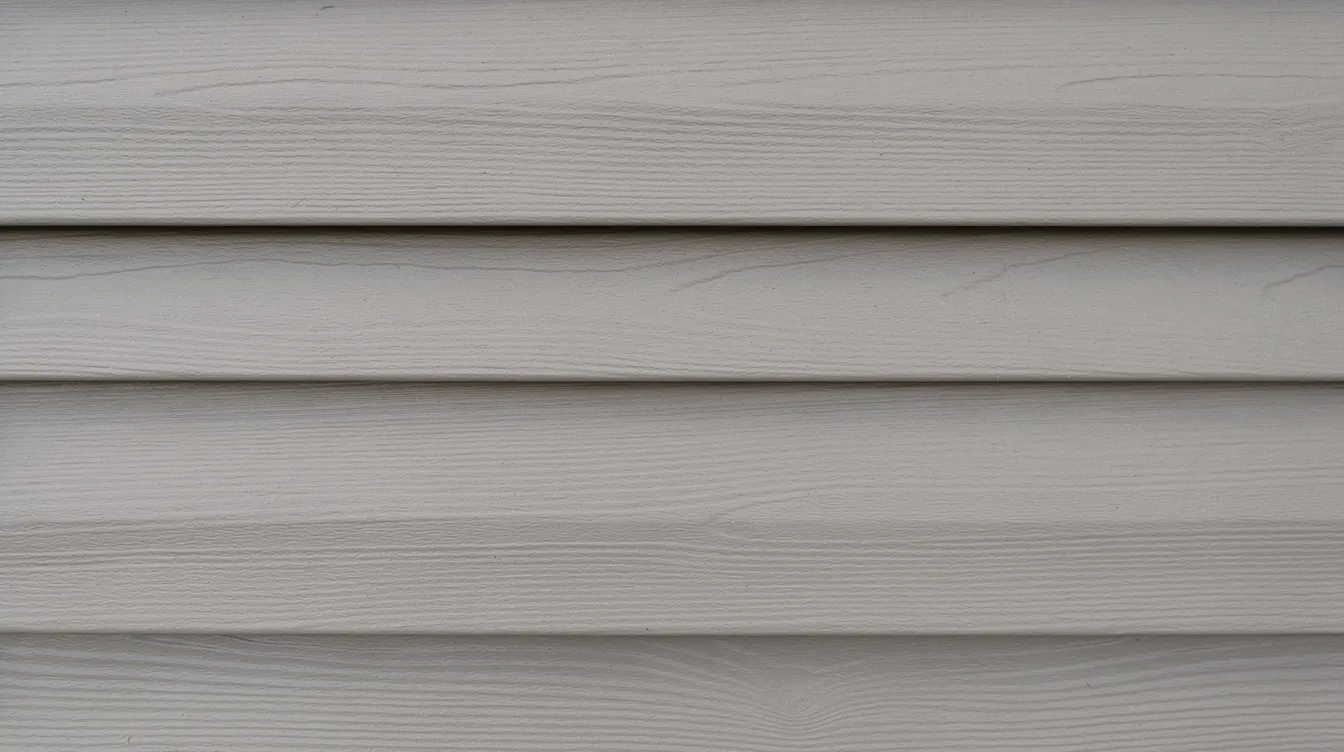
Fiber cement board siding is a composite of portland cement (80–90%), sand, and cellulose fibers derived from wood fibers, and its durability, fire resistance, and pest resistance make it a popular choice among homeowners. Popularized in the 1990s–2000s, products from brands like James Hardie now dominate over 50% of the market in wet regions like the Pacific Northwest.
Key benefits:
- Class A fire rating (non-combustible, ideal for wildfire zones)
- Superior fire resistance and protection against a house fire
- Excellent resistance to moisture damage, UV light, and impacts
- Crisp, clean lines that mimic natural wood grain
- Outstanding paint adhesion for long-lasting finishes
Key drawbacks:
- Heavy panels (15–20 lbs each vs. vinyl’s 1–2 lbs) require reinforced framing
- Higher fiber cement siding cost due to skilled labor requirements, and its rigidity is one reason professional installation is usually required
- Can crack if mishandled; cutting produces silica dust requiring safety protocols
Installed costs run $6–$14 per square foot, with a lifespan of 40–50+ years when properly maintained, and its durability and low maintenance make it a worthwhile long-term investment. Repainting is typically needed every 10–15 years, though some products are available with a factory finish that helps retain appearance longer and reduce upkeep, along with periodic inspections for cracks or surface damage.
Fiber cement suits homeowners wanting an upscale, “real wood” aesthetic without the fire and rot issues of natural wood, or those in regions with strict fire codes. Golden Home Improvement crews are trained to install leading fiber cement brands, paying special attention to clearances and joint flashing while offering repainting programs to keep panels sealed.
Engineered Wood and Natural Wood Siding
Understanding the difference between engineered wood and traditional solid-wood siding helps homeowners match maintenance tolerance to material choice.
Engineered wood siding blends wood fibers or strands with resins and protective treatments like zinc borate. Products such as LP SmartSide offer 30–50 year warranties and arrive pre-primed or pre-finished, reducing on-site painting. This wood composite siding provides impact resistance superior to vinyl and is lighter than fiber cement.
However, engineered wood siding demands meticulous edge sealing. Moisture intrusion at cuts and joints can cause swelling, particularly when ground clearance or flashing details are ignored.
Natural wood siding like cedar or redwood delivers authentic grain and warm appearance that vinyl can mimic in the same way visually, though not with the same maintenance profile. Traditional wood siding can be painted or stained in virtually any color, making it popular for historic restorations and high-end custom projects. Wood shingles offer textured visual interest for cottage and coastal styles.
The trade-offs are significant:
- Repainting or restaining every 3–7 years depending on climate
- Vulnerability to fire, termites, and fungal decay if neglected
- Rising costs ($10–$19 per square foot) due to sustainable sourcing pressures
- Lifespan drops to 10–20 years without proper care
Diligent maintenance extends wood siding well beyond 20 years, while neglect shortens it drastically. Golden Home Improvement helps homeowners weigh ongoing maintenance concerns and offers inspection, caulking, and repainting plans for wood and engineered wood exteriors. Replacing isolated boards can help temporarily, but extensive rot should be corrected before it leads to further damage.
Metal, Brick Veneer, and Other Premium Siding Options
While vinyl and fiber cement dominate many neighborhoods, some homeowners invest in metal siding, brick or stone veneer, or stucco for specific aesthetic and performance reasons.
Metal siding traces its roots to 1940s aluminum used in post-war housing booms. Modern aluminum siding and steel siding feature coated alloys with embossed textures mimicking wood, delivering 40+ year lifespans and Class A fire ratings. Metal is highly durable and requires simple hosing for maintenance. However, aluminum dents easily from hail, while steel siding risks rust at cut edges if coatings fail.
Brick veneer uses thin strips (1/2–1 inch) of manufactured product or real brick over backing material. This delivers a traditional masonry look without full structural brick thickness—reducing load while maintaining the aesthetic of real stone or cobble stone patterns. Brick veneer and faux brick options offer 50–75+ year durability with pest and fire resistance, though installation costs run $12–$25 per square foot.
Stucco, a portland cement and lime plaster applied over metal lath, thrives in arid Southwest climates. It provides thermal mass for energy efficiency and a classic look. However, stucco cracks in freeze–thaw zones without proper control joints and drainage planes.
Other materials include PVC panels, high density polyurethane claddings, and architectural stone veneer—natural stone or manufactured alternatives containing fly ash and resin binder—that create contemporary designs. Vertical siding in metal or composite materials suits modern homes seeking clean lines.
Golden Home Improvement can integrate combinations—such as fiber cement lap with stone veneer on the foundation level—to produce custom, layered facades within a defined budget, similar to the projects showcased in their home improvement project gallery.
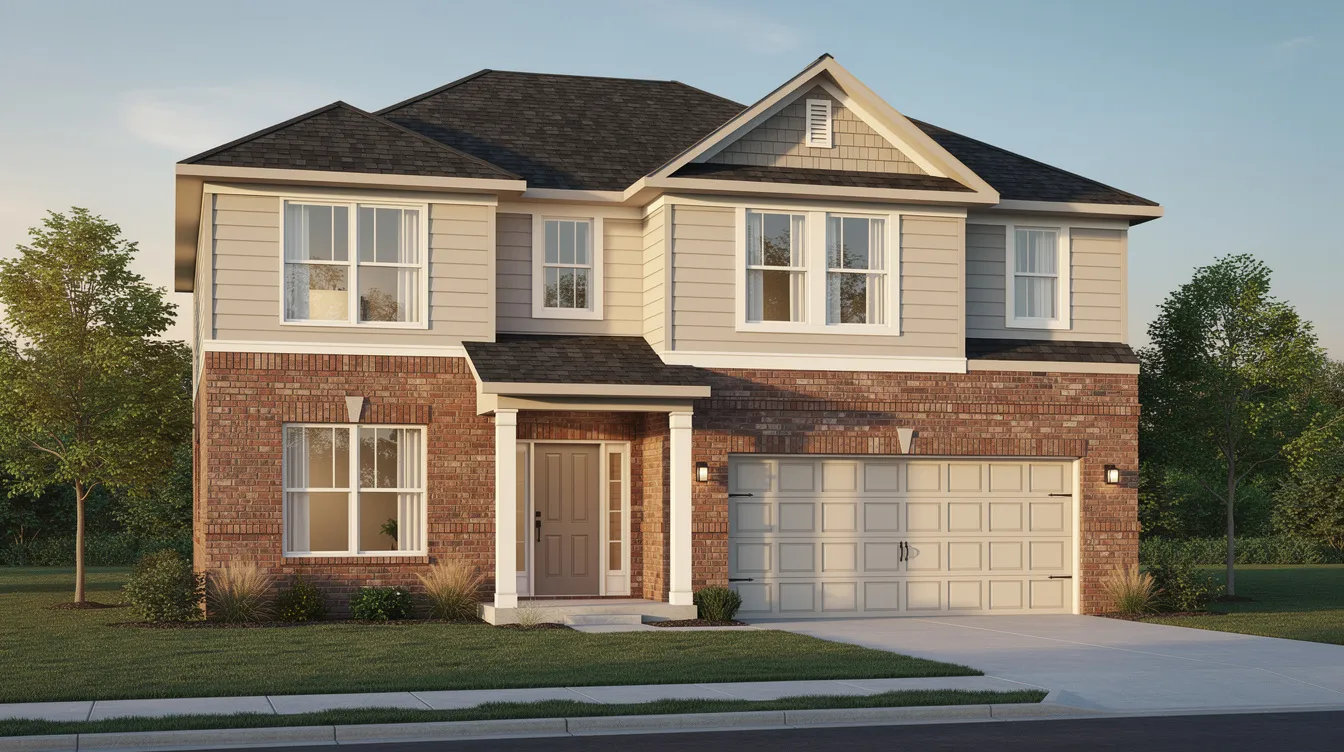
Key Considerations When Choosing Siding for Your Home
No siding is universally “best.” The optimal choice depends on your climate, budget, and maintenance expectations, since different materials perform differently in different conditions, as well as house design, HOA rules, fire risk, and your willingness to perform maintenance, and input from experienced contractors is especially useful when evaluating existing siding before choosing a new system.
Climate factors:
- Wet or coastal regions: Prioritize moisture resistance and corrosion protection
- Wildfire zones: Choose noncombustible materials like fiber cement and metal
- Cold climates: Avoid materials prone to cracking in cold temperatures; watch for ice trap potential
- Areas with extreme heat: Ensure materials resist damage from thermal expansion
Energy performance: Siding itself isn’t primary insulation, but pairing it with housewrap, rigid foam, or insulated backer panels improves thermal performance and reduces drafts; a higher r value in the wall assembly helps limit heat transfer. Energy efficiency gains of 20–30% are achievable with continuous insulation.
Maintenance expectations:
- Vinyl and metal: Annual washing, minimal intervention
- Fiber cement: Repainting every 10–15 years
- Natural wood: Repainting or restaining every 3–7 years, vigilant pest inspection
Aesthetic compatibility: Choose siding styles and a color palette that complement your home’s style and neighborhood. Sample boards and design mockups help visualize the final result.
Warranties and installers: Manufacturers require proper installation methods. Poor workmanship voids warranties, making professional installation and contractor selection critical, and experienced teams can spot damaged siding, moisture issues, and whether siding repair or full replacement is more practical.
Golden Home Improvement conducts detailed exterior assessments, then walks homeowners through 2–3 tailored siding packages with clear pros, cons, and warranty information, backed by the company’s long-standing roofing and siding expertise and specialized roofing services in New Jersey.
How Siding Is Installed and Why Workmanship Matters
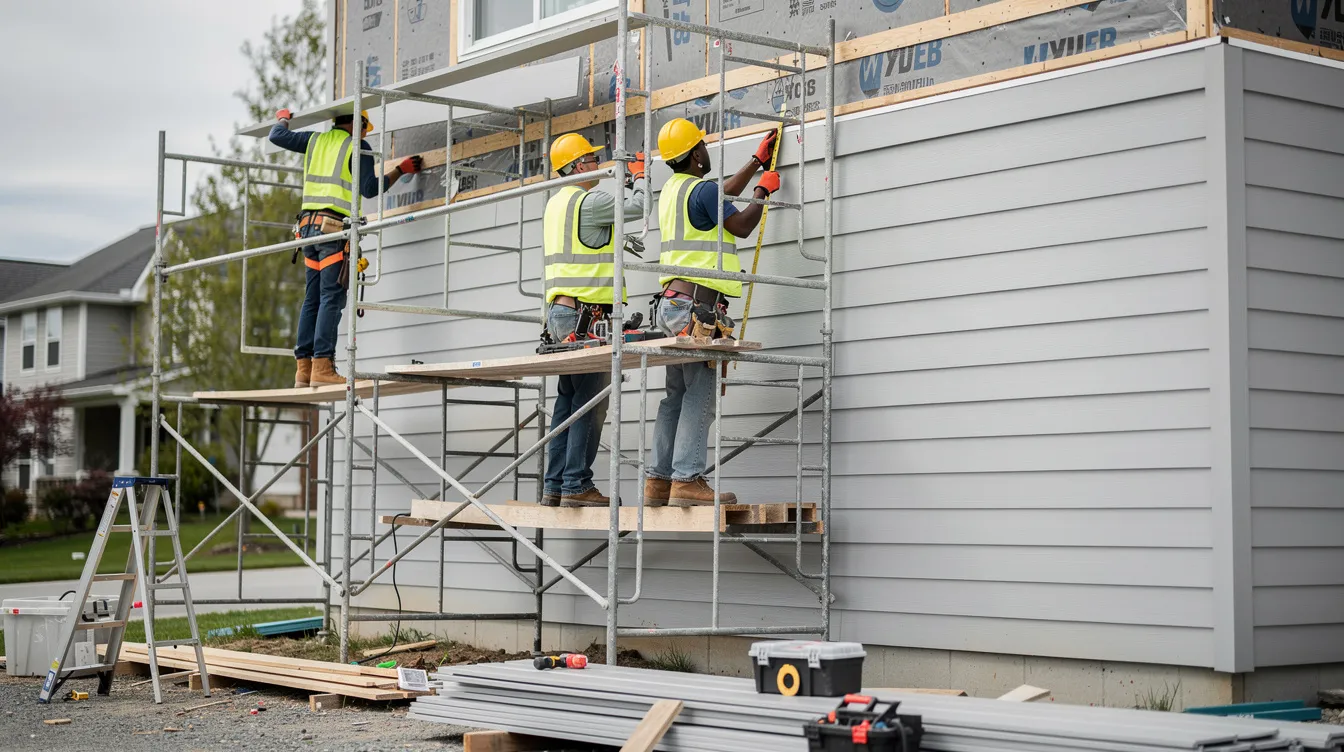
Proper installation follows a systematic process: removing old cladding if needed, checking the removal area for hidden rot or moisture, inspecting sheathing and framing for rot, installing housewrap taped at seams, adding kick-out flashings at roof-wall junctions, then crews install siding and trim it with proper clearances.
Water management details often matter more than the siding material itself. Kick-out flashings alone prevent an estimated 80% of leaks at roof-wall intersections. Proper overlaps, 6–8 inch ground clearance, and 2-inch roof clearances keep moisture from infiltrating, with drainage details especially important to prevent moisture buildup behind vinyl and keep weep holes unobstructed.
Heavier products like fiber cement and brick veneer require more labor, special cutting tools, safety gear for silica dust, and sometimes structural checks—extending timelines and costs. When siding projects involve roof tie-ins or concurrent roof work, Golden Home Improvement coordinates with its specialized roofing services and comprehensive roofing and home improvement services in New Jersey to keep everything on schedule. Most projects for a 2,000 square foot home take 5–10 working days; complex homes with many gables take longer.
Incorrect nailing causes common failures. Nailing too tight creates buckling in vinyl; improper fastening cracks fiber cement. Both void warranties. Golden Home Improvement follows manufacturer installation manuals, uses trained crews, and performs final walkthroughs to verify alignment, caulking, and cleanup.
Caring for Your Siding Over Time
Even low maintenance siding needs some care. Periodic cleaning, inspections, and prompt repairs extend lifespan and preserve your home’s curb appeal.
Vinyl and metal care:
- Annual or biannual washing with mild detergent and water
- Avoid harsh abrasives or high-pressure washing above 1,500 PSI
- Check for loose panels after storms
Fiber cement and engineered wood care:
- Gentle washing annually
- Periodic caulking checks around joints and penetrations
- Repainting on manufacturer schedule (often 10–15 years)
Wood siding care:
- More frequent painting or staining (every 3–7 years)
- Vigilance for peeling, soft spots, or pest activity
- Trim vegetation to maintain airflow and reduce moisture retention
Inspect siding at least once yearly, especially after major storms. Look for cracks, loose panels, damaged trim, and compromised sealant around windows and doors, and ensure your gutters and leaders are functioning properly to keep water away from walls. Golden Home Improvement offers inspection and repair services, plus recurring maintenance visits for high-maintenance materials like natural wood and older stucco, supported by its roofing, siding, and window services across Morris County.
Golden Home Improvement Siding Services
Golden Home Improvement is a full-service exterior contractor focusing on siding replacement, repair, and upgrades. The company’s home improvement approach emphasizes lasting results that enhance both protection and appearance, backed by its trusted New Jersey roofing and siding expertise.
Core services include:
- Comprehensive exterior inspections and moisture assessments
- Siding material consultation matching various styles to local climate
- Design and color guidance with sample boards and mockups
- Full replacement and partial repairs
- Integration with new siding, energy-efficient window replacement, doors, and trim projects
- Permit handling and code compliance
The company works with trusted brands across vinyl, fiber cement, engineered wood, and metal—all selected for proven performance and strong manufacturer backing. Crews are trained to easy to install products correctly, ensuring quick installation without shortcuts.
Golden Home Improvement provides written proposals with realistic timelines and on-site supervision from start to final walkthrough. Financing and phased project options allow homeowners to tackle the worst elevations first, completing the rest in a later season if budget requires, and homeowners can easily request an estimate or consultation or use the contact page to connect with Golden Home Improvements to get started.
Ready to explore your options? Contact Golden Home Improvement to schedule a siding inspection or request an estimate tailored to your home’s specific needs, or explore their roofing and siding services in Summit, NJ and broader roofing and home improvement services in Summit and nearby areas if you’re in that area.
Frequently Asked Questions About Siding on Houses
How often does house siding need to be replaced?
Replacement intervals vary widely by material and maintenance history. Budget vinyl or poorly maintained wood may need replacement in 15–20 years, while well-maintained fiber cement, quality vinyl, or brick veneer can last 30–50+ years. Signs it’s time for replacement include widespread warping, soft or rotten spots, peeling beyond simple repainting, or chronic interior moisture problems. Golden Home Improvement can evaluate whether targeted repairs or full replacement is more cost-effective for your specific situation.
Can new siding be installed over old siding?
In some cases, new vinyl or metal siding can be installed over existing sound wood siding using furring strips and housewrap—if local codes and manufacturer guidelines permit. This approach saves disposal costs and adds thickness. However, overlay installations risk concealing damage and creating moisture traps. Golden Home Improvement typically recommends removal when there are signs of hidden damage, past leaks, or when upgrading to heavier systems like fiber cement or brick veneer that require solid backing.
Does changing my siding increase my home’s resale value?
National remodeling reports consistently show exterior siding upgrades yielding strong resale returns, often recouping 65–85% of project cost at sale. Fresh, modern siding improves your home’s curb appeal, signals good maintenance to buyers, and helps older homes compete with newer builds. Golden Home Improvement can recommend siding styles and colors favored in your local market to maximize resale impact, with dedicated roofing and home improvement services in Chatham, NJ, including roofing and exterior remodeling in Chatham and Northern New Jersey, and surrounding areas.
Which siding is best for high-wind or storm-prone areas?
In storm-prone coastal or tornado zones, homeowners often favor impact-resistant vinyl, properly fastened fiber cement, or engineered wood products rated for higher wind speeds (160+ mph in some cases). Installation quality and fastening schedules meeting local building codes are often more critical than the material itself. Golden Home Improvement designs siding systems to meet or exceed local wind-load requirements and can recommend storm-resistant trim and fasteners as additional protection, particularly for homeowners using their roofing and exterior services in Morristown, NJ.
How long does a typical siding replacement project take?
For an average two-story house with straightforward architecture, most projects take 5–10 working days. This timeline depends on material choice, weather conditions, and whether old siding removal and sheathing repairs are required. Complex homes with many gables, bays, or decorative details take longer due to additional cutting and flashing work. Golden Home Improvement provides a project schedule in advance and keeps homeowners informed about daily progress and any unforeseen repairs discovered after removal begins, a process they also follow on roofing and home improvement projects in Randolph, NJ. and other roofing and exterior renovation work in Randolph and surrounding areas.